
Best Time for Pind Daan in Gaya: Auspicious Seasons, Tithis, and Calendar Guide
Discover the most auspicious periods of the year to perform Pind Daan in Gaya. Learn about the significance of Pitru Paksha, Amavasya, solar/lunar eclipses, and local weather guides.
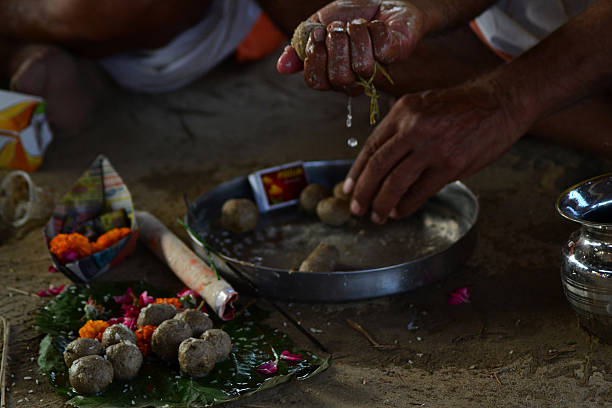
Introduction to Timing in Vedic Rites
In the Vedic tradition, timing (Muhurat) is not merely a matter of convenience; it is a vital cosmic alignment. Rituals performed for ancestral salvation (Shradh, Tarpan, and Pind Daan) are highly sensitive to solar, lunar, and planetary positions. Performing these rites during specific auspicious windows maximizes the spiritual energy of the offerings, ensuring that the restless souls of departed ancestors are satisfied and liberated.
While the sacred city of Gaya, Bihar, is spiritually active throughout the year, scriptures like the Vayu Purana and Garuda Purana highlight certain periods where the spiritual portal to the ancestral dimension (Pitru Loka) is fully open.
This guide details the best times to perform Pind Daan in Gaya—covering the annual Pitru Paksha fortnight, monthly Amavasya days, eclipse windows, and seasonal weather advice—to help you plan a meaningful and spiritually fruitful pilgrimage.
The Ultimate Window: Pitru Paksha
If you ask any Vedic scholar for the single best time to perform ancestor rites, the answer is always Pitru Paksha (also known as Sola Shraddha).
### What is Pitru Paksha?
Pitru Paksha is a 15-day period in the Hindu calendar occurring during the dark fortnight (Krishna Paksha) of the Hindu month of Bhadrapada or Ashwin (which corresponds to September–October in the Gregorian calendar).
### Cosmic and Mythological Significance
According to Hindu cosmology, during this fortnight, the Sun enters the zodiac sign of Virgo (Kanya). In this astrological alignment, the boundary between the physical world and the ancestral sphere (Pitru Loka) dissolves. It is believed that the souls of departed ancestors are permitted to descend to the earthly plane to receive offerings directly from their descendants.
The mythological significance is also connected to the Mahabharata. When the great warrior Karna died and reached heaven, he was offered gold and jewels instead of food. When he asked the king of gods, Indra, for the reason, Indra explained that during his lifetime, Karna had donated vast amounts of wealth but had never offered food or water to his own ancestors. Karna was allowed to return to earth for 15 days to perform these rites. This 15-day period is celebrated today as Pitru Paksha.
### Why Perform Rites During Pitru Paksha?
Offering even a single pinda or a drop of water to ancestors in Gaya during this time yields inexhaustible merit (Akshaya Trupti). It satisfies the ancestors for years, helping them break free from any pending karmic chains and reach Vaikuntha.
Auspicious Monthly and Planetary Windows
If you cannot travel to Gaya during the crowded Pitru Paksha period, the scriptures outline several other highly auspicious windows throughout the year.
### 1. Monthly Amavasya (New Moon) Days
Amavasya is the monthly new moon day, occurring 12 times a year. In the Hindu tradition, Amavasya is dedicated exclusively to the worship of ancestors. It is believed that on this night, the sun and the moon are in alignment, making it easier for ancestral energies to connect with their descendants.
Most Auspicious Amavasya: While all monthly Amavasya days are suitable, the Mauni Amavasya (January-February) and Mahalaya Amavasya* (the final day of Pitru Paksha) hold supreme importance. Mahalaya Amavasya is the cosmic peak of the fortnight, believed to be the day when Lord Rama himself performed Shradh for his father King Dasharatha using sand pindas on the Falgu River. Performing rituals on this day is said to satisfy the ancestors for up to twelve years, bringing immediate relief to families suffering from structural blocks. This day serves as a final gateway for any ancestral soul who was missed on earlier specific tithis.
### 2. Solar and Lunar Eclipses
Eclipses (Surya Grahan and Chandra Grahan) are powerful cosmic events. The spiritual merit of any mantra chanting, charity, or ancestral offerings performed during an eclipse is believed to multiply a thousand-fold. Performing Pind Daan during these times helps resolve severe cases of Pitru Dosha (ancestral curses).
### 3. Ekadashi (Eleventh Lunar Day)
The Ekadashi is the eleventh day (Tithi) of both the bright (Shukla) and dark (Krishna) fortnight of every lunar month — occurring approximately twice a month. While Ekadashi is primarily associated with fasting for Lord Vishnu's devotees, certain Ekadashis hold special relevance for ancestral rites:
Indira Ekadashi (during Pitru Paksha): This is the most important Ekadashi for ancestral salvation. Falling within the Pitru Paksha fortnight itself, the Indira Ekadashi* is specifically dedicated to liberating ancestors trapped in lower realms. Fasting and performing Tarpan on this day is believed to release souls who are stuck due to severe karmic debts.
Parama Ekadashi and Aja Ekadashi: These Ekadashis are also considered particularly beneficial for ancestral peace. Performing water tarpan and lighting sesame oil lamps (til ke diye*) in front of the family deity on these days is a gentle form of ancestral worship.
* Year-Round Ekadashi Tarpan: For devotees who cannot travel to Gaya, performing simple water tarpan at home on every Ekadashi is a valid and beneficial practice that keeps the ancestral connection alive throughout the year.
### 4. Solar Transits (Sankranti)
The days when the Sun moves from one zodiac sign to another (Sankranti) are considered highly sacred for purificatory baths and Shradh.
Makar Sankranti (January): The transition of the Sun into the northern hemisphere (Uttarayan*) is highly auspicious.
* Transit into Sagittarius (Dhanu) & Pisces (Meen): These periods are astrologically aligned with ancestral worship.
Significance of Specific Tithis during Pitru Paksha
Within the 15 days of Pitru Paksha, each specific day (Tithi) holds special rules and scriptural significance. Depending on who you are performing the rituals for, you can choose the optimal day:
1. Pratipada (First Day): Dedicated to maternal grandparents (Nana-Nani). Performing rituals on this day is believed to satisfy the mother's side of the family lineage.
2. Panchami (Fifth Day): Especially auspicious for performing Shradh for family members who died unmarried.
3. Navami (Matru Navami): The most critical day for honoring deceased mothers, grandmothers, and wives. Offering pindas on Matru Navami brings great peace to the female lineage.
4. Dhashami / Ekadashi: Recommended for satisfying ancestors who took sannyasa (renounced the world) or dedicated their lives to spiritual study.
5. Trayodashi (Thirteenth Day): Auspicious for children or infants who passed away prematurely.
6. Chaturdashi (Fourteenth Day): Reserved strictly for family members who met with sudden, violent, or unnatural deaths (accidents, poison, fires, or weapons). Performing rites on Chaturdashi helps release these sudden, shocked energies.
7. Sarvapitri Amavasya (Mahalaya Amavasya): The final new moon day of Pitru Paksha. It is the most critical day, acting as a universal window. If you do not know the exact tithis of your departed relatives, performing the ritual on this day satisfies all of them collectively.
Weather and Seasonal Travel Guide for Gaya
When planning a physical visit to Gaya, local climate conditions play a major role in ensuring a comfortable pilgrimage, especially for elderly family members.
### 1. October to February (Winter - Best Travel Climate)
* Temperature: 10°C to 25°C.
* Vibe: The weather is cool, pleasant, and highly comfortable for walking between the temples and ghats.
* Crowd: Crowds are moderate, except during the Mahalaya period.
Verdict:* The absolute best season for physical comfort.
### 2. March to June (Summer - Avoid if Possible)
* Temperature: 35°C to 45°C.
Vibe: Extremely hot and dry. Gaya experiences dry heat waves (Loo*) during May and June. The stone floors of the temples become too hot to walk on barefoot.
* Crowd: Low. Priests and accommodations are readily available at lower prices.
Verdict:* Not recommended for senior citizens. If you must travel, schedule all rituals for the early morning hours (6:00 AM - 9:00 AM).
### 3. July to September (Monsoon - Moderate)
* Temperature: 28°C to 35°C.
* Vibe: Humid with regular rainfall. The Falgu River, which remains dry sand for most of the year, fills with flowing water.
* Crowd: Begins to increase as Pitru Paksha approaches.
Verdict:* Good if you want to perform water-based Tarpan in a flowing river, but watch out for local travel disruptions due to rain.
How to Choose the Exact Date (Tithi)
Vedic Shradh is ideally performed on the exact Tithi (lunar day) on which the parent or ancestor passed away, rather than the Gregorian date.
* Paternal Ancestors: Rites are performed on the tithi of the father's or grandfather's departure.
Maternal Ancestors: Specifically honored on Navami Tithi* (Matru Navami) during Pitru Paksha.
Unnatural Deaths: For ancestors who died due to accidents, weapons, or sudden trauma, the rites are performed on Chaturdashi Tithi*.
* Unknown Tithis: If you do not know the exact date of passing, you can perform the rituals collectively on Sarvapitri Amavasya (the final new moon day of Pitru Paksha). This single ritual satisfies all departed souls in your family registry.
Frequently Asked Questions
Q.Can I perform Pind Daan in Gaya during the summer months?
Q.Why is Pitru Paksha considered crowded?
Q.Does the day of the week matter for Pind Daan?
Year-Round Rituals: Gaya is Open All 365 Days
A common misconception is that Pind Daan can only be performed during Pitru Paksha. This is not true. The temples of Gaya — including the Vishnupad Temple and Akshay Vat — are open and active throughout the year. Rituals can be performed on any day.
Here is a quick month-by-month window guide:
| Month | Auspicious Events | Recommended? |
|-|-|-|
| January | Makar Sankranti, Mauni Amavasya | ✅ Highly Auspicious |
| February | Magh Amavasya | ✅ Good |
| March | Falgun Amavasya | ✅ Good |
| April | Chaitra Amavasya | ⚠️ Hot, plan early morning |
| May | Vaishakh Amavasya | ⚠️ Peak summer heat |
| June | Jyeshtha Amavasya | ⚠️ Avoid midday |
| July | Ashadha Amavasya | ✅ Monsoon Tarpan |
| August | Shravan Amavasya | ✅ Good |
| September | Bhadrapada Amavasya + Pitru Paksha starts | ✅✅ Peak Season |
| October | Ashwin Mahalaya Amavasya | ✅✅ Most Auspicious |
| November | Kartik Amavasya (Diwali) | ✅ Very Auspicious |
| December | Margashirsha Amavasya | ✅ Pleasant weather |
Conclusion and Booking Support
Choosing the right time to perform Pind Daan ensures a comfortable and spiritually satisfying pilgrimage. Whether you plan to visit during the sacred fortnight of Pitru Paksha, on a powerful Ekadashi, or during a quiet winter Amavasya, early planning is key.
Need help finding the correct Shradh Tithi or booking a slot in Gaya?
Our team of expert coordinators can analyze your ancestral dates and match you with verified Pandits.
Book Your Ritual Now | Contact a Coordinator | Read the Complete Pind Daan Guide
Speak With Coordinator
Receive gotra-specific advice and customized pricing guidelines for Gaya rituals.
Related Articles
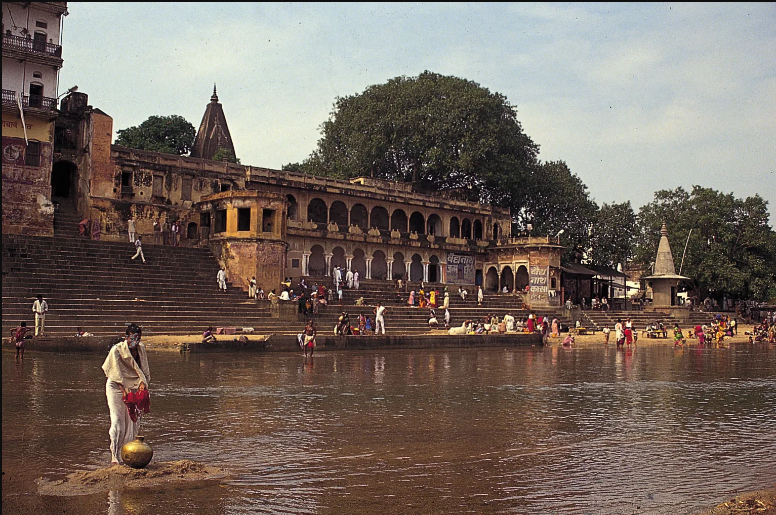
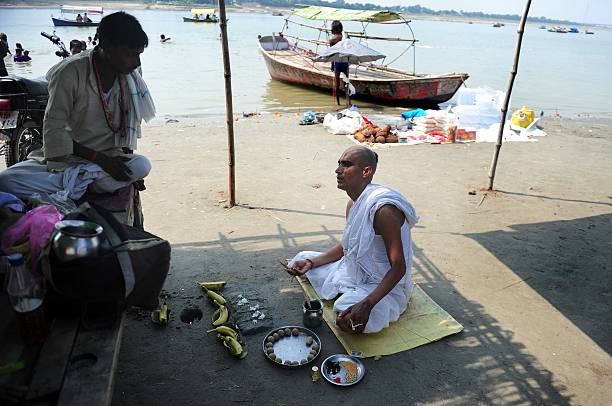
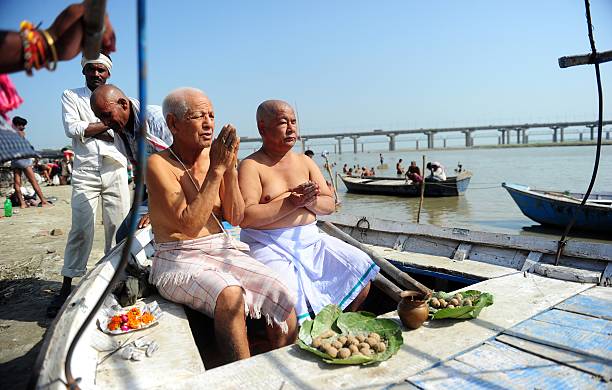
Gaya Rituals Promise
- ✓100% scriptural guidance under Vedic Acharyas.
- ✓Complete price transparency with zero hidden dakshina.
- ✓Respectful support for elderly & NRI families.