Akshay Vat Banyan Tree
The immortal Banyan tree blessed by Goddess Sita. Offering the final Pind here is believed to grant eternal liberation to ancestors.
# Akshay Vat
History
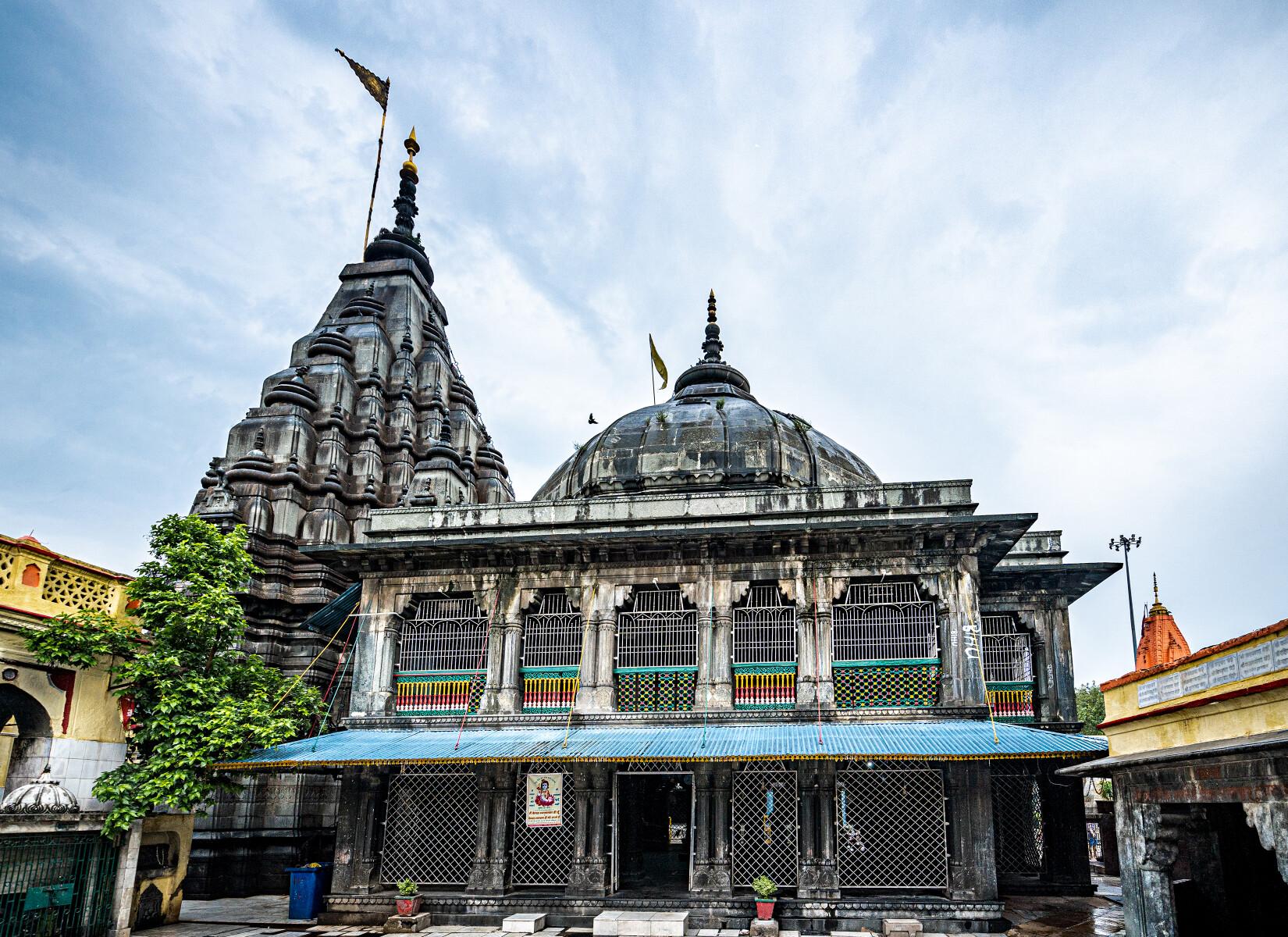
The Akshay Vat (literally meaning the "undecaying or immortal banyan tree") is a sacred tree located within a walled temple courtyard in Gaya. Its history is deeply rooted in Hindu mythology and is recognized as one of the oldest living spiritual symbols in India. It is believed to survive cosmic destruction (Pralaya) because it is protected by the divine energy of Trimurti (Brahma, Vishnu, and Shiva).
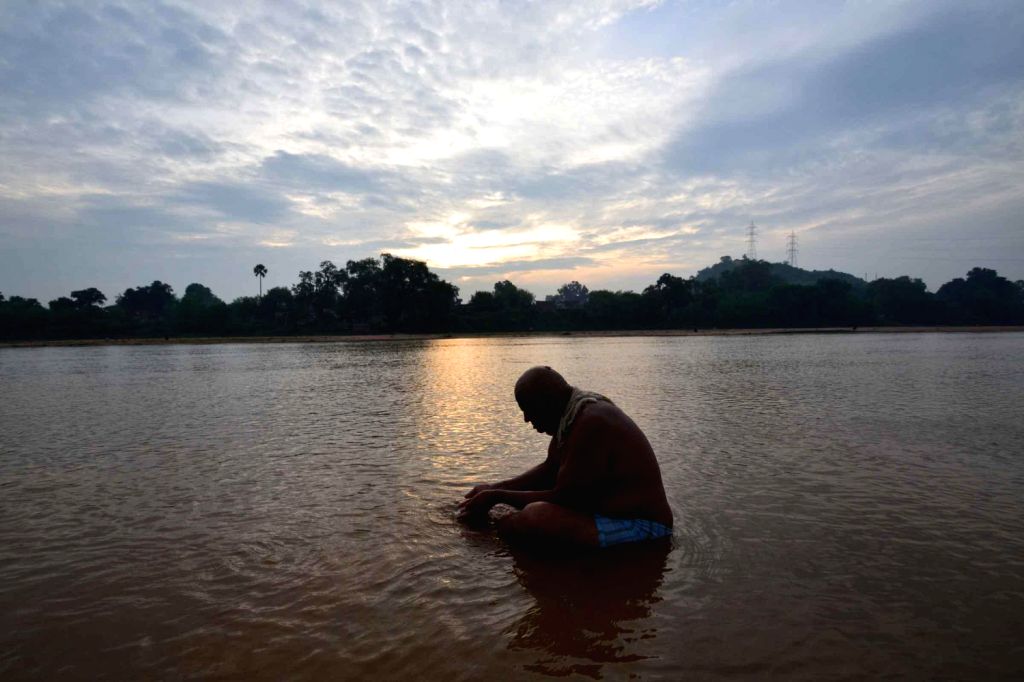
Historically, the tree is most famous for its association with the Ramayana. During the exile period, Lord Rama, Goddess Sita, and Lakshmana visited Gaya to perform Shradh for King Dasharatha. Goddess Sita performed the offering under this banyan tree, which acted as a witness along with the Falgu River, a cow, and a Brahmana. When the others lied to Lord Rama about whether the offering was made, the Banyan tree spoke the truth. Pleased with its honesty, Goddess Sita blessed the tree with immortality, decreeing that its leaves would never fall or dry up, and it would remain evergreen.
Importance
Akshay Vat is considered the final and concluding Vedi (location) of the traditional Gaya Pind Daan pilgrimage. Performing the ritual here seals the ancestral rites.
* Eternal Satisfaction (Akshay Tripti): The name "Akshay" means that which never decays. Offering a pind at the roots of this tree ensures that the ancestor souls are permanently satisfied and freed from the cycle of rebirth.
* The Blessing of Sita: Ancestor souls receive the direct motherly blessings of Goddess Sita, ensuring their entry into the higher spiritual realms.
* Final Ancestral Release: Traditionally, pilgrims vow never to return to Gaya for Shradh once they perform the Akshay Vat ceremony, as the ancestors are believed to have achieved complete and permanent Moksha.
Rituals Performed
The Akshay Vat ritual represents the grand finale of the pilgrimage:
Sayujya Sankalp: The final vow thanking the ancestors and deities for allowing the successful completion of the pilgrimage.
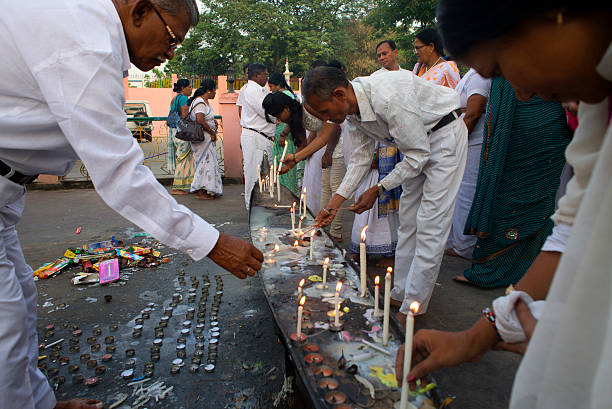
Vat Pooja: Devotees wrap sacred red and yellow threads (Mouli) around the massive trunk of the Banyan tree.
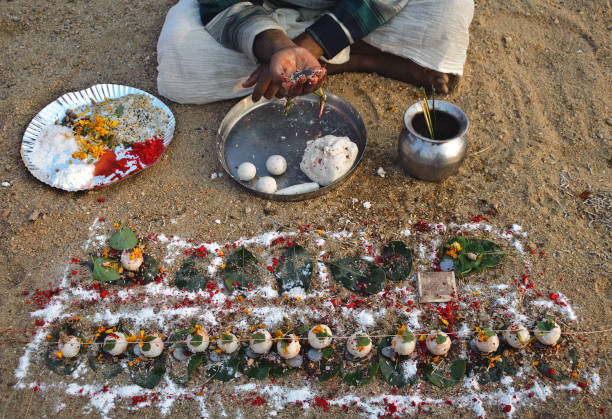
Akshay Pind Dan: Offering the final set of pindas directly at the roots of the tree.
Sujata/Srijata Rites: Tying a symbol or making a vow to leave behind one worldly attachment (typically a specific food item or habit) as a form of sacrifice.
Purnahuti (Concluding Prayers): The Pandit performs a concluding aarti and gives final blessings to the family.
Visitor Guide
Location: Situated approximately 1.5 km south of the Vishnupad Temple.
Timings: Open daily from 6:00 AM to 7:00 PM. Concluding rituals are usually performed in the late morning.
Vibe: The courtyard is highly peaceful, shaded by the massive canopy of the immortal tree, making it ideal for reflection.
Logistics: Auto-rickshaws and cycle-rickshaws are easily available from the Vishnupad temple area.
Internal Links
To finalize your ritual booking and plans:
Book Concluding Services: Reserve your Pandit for the final Akshay Vat rites by visiting our Book Pind Daan Service.
Consult on Calendar Dates: Contact our Acharyas to find the most auspicious tithi for your visit: Contact Us.
Explore Full Package Details: Check our accommodation, transport, and Pandit rates: Gaya Pind Daan Packages.
Plan Rites Here
Consult with our Acharyas to perform Pind Daan or Tarpan at Akshay Vat.
Gaya Pilgrimage Concierge
- ✓
Priority coordination at key shrines with local setups.
- ✓
Certified, verified local Pandits for precise gotra recitations.
- ✓
End-to-end travel, sanitation, and puja logistics support.