Vishnupad Temple Gaya
The spiritual heart of Gaya, featuring the sacred footprint of Lord Vishnu embedded in solid basalt rock.
# Vishnupad Temple
History
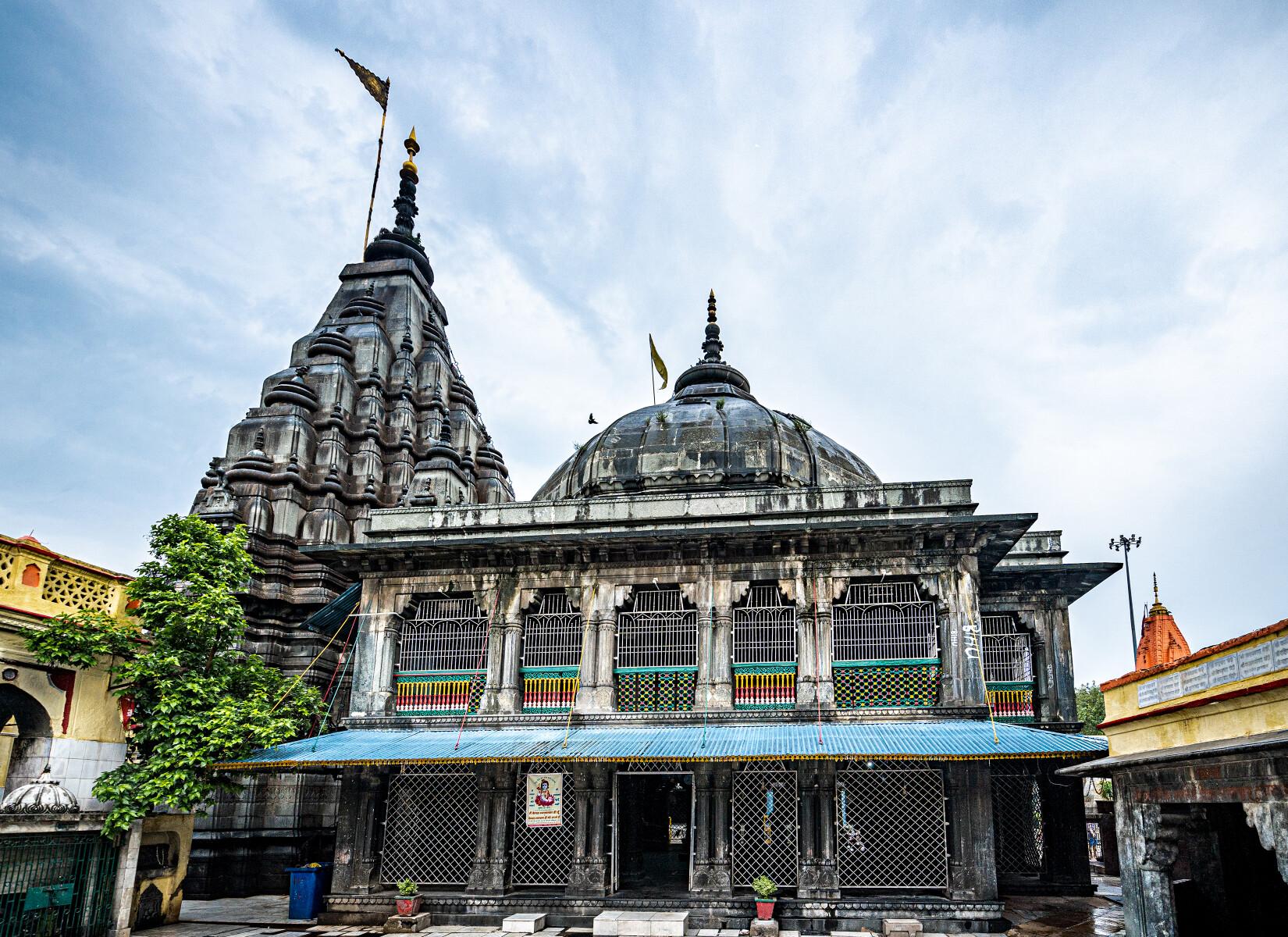
The Vishnupad Temple is the spiritual centerpiece of Gaya, attracting millions of devotees annually. The current structure of the temple was rebuilt in 1787 by Queen Ahilyabai Holkar of Indore, who was renowned for constructing temples across India. She hired expert stone craftsmen from Pathar Katti in Bihar to shape the solid black basalt rock. The octagonal sanctuary stands at 100 feet tall with slanting carved pillars and detailed stone carvings.
However, the history of this site dates back thousands of years. It is mentioned in ancient texts such as the Garuda Purana, Vayu Purana, and the epic Mahabharata. The footprint of Lord Vishnu embedded inside the temple was consecrated during the Treta Yuga. Throughout history, kings, saints, and philosophers like Adi Shankaracharya, Chaitanya Mahaprabhu, and Sri Ramakrishna Paramahansa have visited this temple to perform rituals and seek blessings.
Importance
In Hindu tradition, the footprint of the Divine represents the ultimate refuge for souls seeking liberation (Moksha). The Vayu Purana describes how Lord Vishnu subdued the giant demon Gayasura, who had performed intense penances to obtain a boon that anyone who looked at him would go to heaven. To maintain the cosmic balance of karma, Lord Vishnu stepped on Gayasura's head to stabilize him into the earth, leaving a 40cm footprint stamped into solid basalt rock.
Supreme Efficacy: Rites performed at the foot of Lord Vishnu are believed to have absolute efficacy. Ancestor souls trapped in intermediate spiritual realms (Pret Yoni) are instantly released and guided to Pitru Loka or Vaikuntha* (the spiritual abode of Vishnu).
* Lineage Cleansing: Offering pinds (sacred food balls) directly inside the silver basin surrounding the footprints removes ancestral blockages (Pitru Dosh) across multiple generations, bringing prosperity and peace to the living descendants.
Rituals Performed
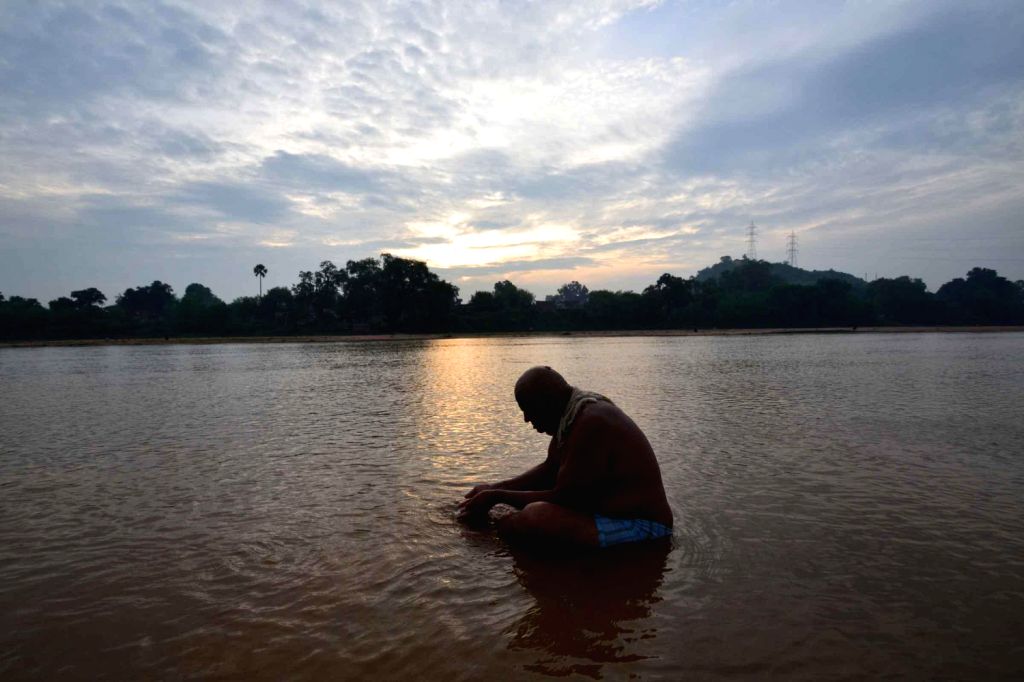
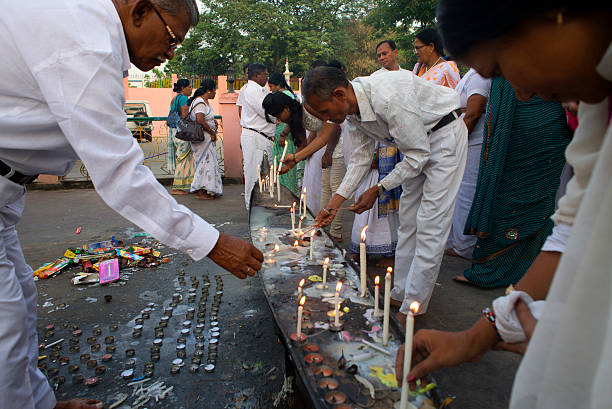
The temple is the primary spot for performing ancestral rites in Gaya. The main rituals performed here include:
Sankalp (Formal Vow): Initiated by an authorized Gayawal Pandit, declaring the devotee's gotra, name, and lineage to seek permission from Lord Vishnu to perform rites.
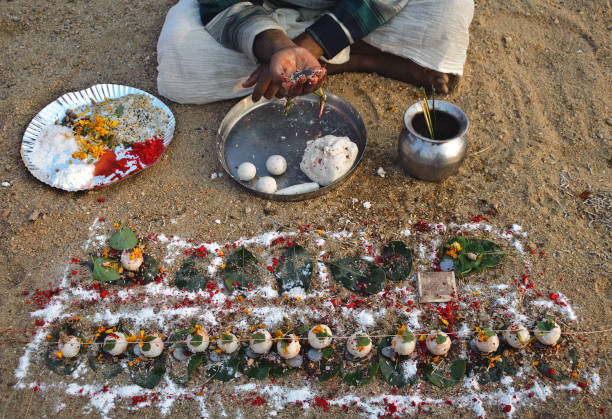
Pind Arpan (Rice-ball Offerings): Spherical pindas prepared from barley flour, black sesame seeds, and milk are placed directly onto the footprints inside the sanctum.
Panchamrit Abhishek: Ritual bathing of the Vishnu Pada using milk, yogurt, honey, ghee, and sugar, accompanied by Vedic chants.
Brahman Bhojana & Dakshina: Feeding local Vedic priests and offering charity to conclude the Shradh ceremony.
Visitor Guide
Dress Code: Devotees are expected to wear traditional Indian clothing (dhoti/kurta for men, saree/salwar-kameez for women). Leather items (belts, wallets) must be kept outside.
Timings: The temple remains open from 6:00 AM to 9:00 PM. Ancestral rites are performed between sunrise and 2:00 PM.
Photography: Strictly prohibited inside the inner sanctum.
Accessibility: The temple is located in the narrow lanes of old Gaya, accessible by auto-rickshaw or taxi to the main gates, followed by a short walk.
Internal Links
To plan your pilgrimage and ensure correct Vedic protocols:
Book Pind Daan Services: Secure a verified Pandit and fast-track temple entry by visiting our Book Pind Daan Service.
Consult Priest Coordinators: Have questions about dates or pricing? Please Contact Us to speak with a coordinator.
Read Detailed Ritual Steps: Learn about materials and Vedic mantras in our comprehensive Read Pind Daan Guide.
Plan Rites Here
Consult with our Acharyas to perform Pind Daan or Tarpan at Vishnupad Temple.
Gaya Pilgrimage Concierge
- ✓
Priority coordination at key shrines with local setups.
- ✓
Certified, verified local Pandits for precise gotra recitations.
- ✓
End-to-end travel, sanitation, and puja logistics support.